Français

Most Kenyan safaris happen from the window of a 4×4. Hell’s Gate National Park is different. It is one of the few places in Kenya where you can leave the vehicle behind and explore on a bicycle or on foot, surrounded by zebra, giraffe and towering volcanic cliffs. Add the steaming rock corridors of Hell’s Gate Gorge and you have one of the best adventure days within easy reach of Nairobi.
This guide covers everything you need to plan your visit: where the park is, how Hell’s Gate cycling works, the best walking routes, what to expect in the gorge, current Hell’s Gate National Park entry fees, and when to go.
Why visit Hell’s Gate National Park?
Hell’s Gate is small, scenic and active. Instead of a long game drive, you get:
- Cycling and walking among wildlife. It is not a Big Five park, so zebra, giraffe, buffalo, eland, warthog, gazelle and rock hyrax share the plains with you.
- Dramatic Rift Valley scenery. Red cliffs, volcanic plugs and wide grassland make it a favourite for photographers.
- Geothermal landscapes. Steam vents and hot springs hint at the volcanic energy beneath the park.
- Easy access from Nairobi and Naivasha. It fits neatly into a day trip or the start of a longer Kenya safari.
Where is Hell’s Gate National Park?
Hell’s Gate National Park sits in Nakuru County in Kenya’s Great Rift Valley, between Lake Naivasha and the Longonot and Suswa volcanoes. The park entrance is about 15 km south of Naivasha town, and Nairobi is roughly 90 km away. Allow around two to three hours by road from Nairobi, depending on traffic and the Rift Valley escarpment.
The park has several gates. Elsa (Elsewa) Gate near Lake Naivasha is the most popular starting point for visitors who plan to cycle or walk the gorge.
Hell’s Gate cycling: how it works
Cycling in Hell’s Gate National Park is the signature activity, and it is easy to see why. The main route follows flat, well-worn tracks through open plains, so you do not need to be an experienced rider.
What to expect
- Duration: A typical guided ride takes about three hours, with stops for photos and wildlife.
- Terrain: Mostly flat dirt and gravel tracks, with some dusty or rocky sections.
- Wildlife: Expect to pass zebra, giraffe, buffalo and antelope at close but respectful distances.
- Bike hire: Mountain bikes are available at the gate or through your tour operator. Confirm hire details when you book.
- Guides: Hell’s Gate is one of only a couple of Kenyan parks where unguided cycling and walking are permitted. Even so, a local guide adds a lot: they know where the animals gather, explain the geology and keep you safe.
Tips for a better ride
- Start early, ideally by 8 am, before the midday heat.
- Test your bike’s brakes and tyres before you set off.
- Carry at least two litres of water per person.
- Wear a hat, sunscreen and closed shoes.
- Keep a safe distance from buffalo, and never ride towards animals.
Walking in Hell’s Gate
Hell’s Gate is one of the few Kenyan national parks where a walking safari is part of the standard experience. Trails lead past cliffs, across grassland and down into the gorge. Guided walks run for a couple of hours or most of the day, depending on how far you want to go.
You can combine walking and cycling: ride to the gorge, lock the bikes, and walk the narrow sections on foot. This is how most day visitors do it.
Hell’s Gate Gorge (Ol Njorowa Gorge)
Hell’s Gate Gorge, also known as Ol Njorowa Gorge, is the highlight of the park. Narrow rock walls rise on both sides, carved by ancient water and volcanic activity. Along the route you will find:
- Steam vents and hot springs, especially in the deeper sections
- Layered rock formations in red, orange and grey
- Tight corridors where you can scramble and squeeze through
- Birdlife, including raptors that nest on the cliffs
Safety notes for the gorge
- Go in dry weather. The gorge can flood quickly after rain upstream. If the weather looks threatening, skip it.
- Use a guide. Not required by law, but strongly recommended for the narrow and slippery sections.
- Wear shoes with grip. Sandals are a bad idea on wet or uneven rock.
- Allow around two hours for the gorge walk itself.
Climbing: Fischer’s Tower and Central Tower
Fischer’s Tower is a volcanic plug that rises from the plains and is a landmark for climbers. Hell’s Gate is a well-known rock climbing spot in Kenya, and guided climbing with safety gear is available through specialist operators. If climbing interests you, mention it when you book so it can be arranged in advance.
Wildlife you can see
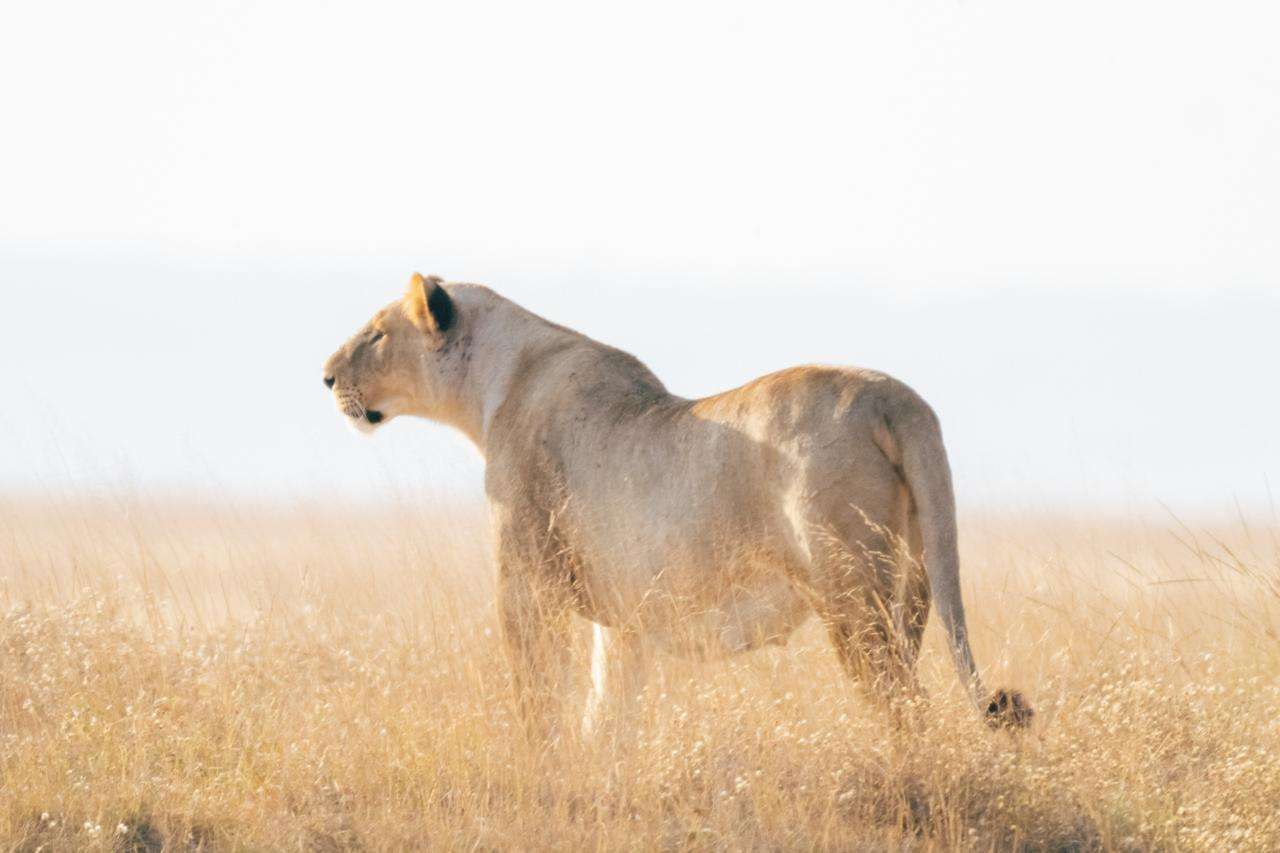
Because Hell’s Gate is not a Big Five park, walking and cycling here are far more relaxed than in a typical game reserve. Common sightings include:
- Zebra
- Giraffe
- Buffalo
- Eland
- Thomson’s and Grant’s gazelles
- Warthog
- Rock hyrax
- Baboons
- A wide variety of birds, including raptors
Hell’s Gate National Park entry fees
Kenya Wildlife Service (KWS) sets the park entry fees for Hell’s Gate National Park, with different rates for non-residents, African citizens, Kenya residents and East African citizens, and for adults and children.
Fees are charged per person per 24 hours and are usually paid through the KWS eCitizen platform or by card at the gate. Rates and payment methods can change, so confirm on the KWS website or with your operator before you travel. Cycling, bike hire, guides, camping and vehicle fees are separate.
Best time to visit Hell’s Gate
- Best months: June to October and January to February. Dry weather means safer gorge walks and better trail conditions.
- Rainy seasons: March to May and November. The park is still open, but the gorge can be dangerous and tracks get muddy.
- Best time of day: Early morning, when it is cooler and wildlife is most active.
Sample Hell’s Gate day trip from Nairobi
Leave Nairobi around 6 am and reach Elsa Gate by about 8:30 am for the park briefing and bike collection. Cycle the plains through the morning, stopping for wildlife and photos, then walk Hell’s Gate Gorge with your guide. Enjoy a picnic lunch inside the park, visit the geothermal area or viewpoints if time allows, and exit mid-afternoon. Many visitors finish with a Lake Naivasha boat ride before returning to Nairobi by early evening.
What to pack
- Closed shoes with grip
- Light, breathable clothing and a sun hat
- Sunscreen and sunglasses
- A refillable water bottle (2 litres minimum)
- A light rain jacket in the wet months
- Camera or phone with a spare battery
- Snacks and cash for small purchases
Combine Hell’s Gate with a longer Kenya safari
Hell’s Gate pairs naturally with Lake Naivasha, Lake Nakuru and the Maasai Mara. Eta Adventure Safaris builds itineraries that include Hell’s Gate alongside these destinations, from short 4-day trips to week-long journeys that also take in Amboseli. Tell us what you want to see, and we will shape a plan around your dates and budget.
Ready to plan your trip? Contact Eta Adventure Safaris for a tailored Hell’s Gate and Kenya safari itinerary.